







Search Results for: Brewing Adjustments
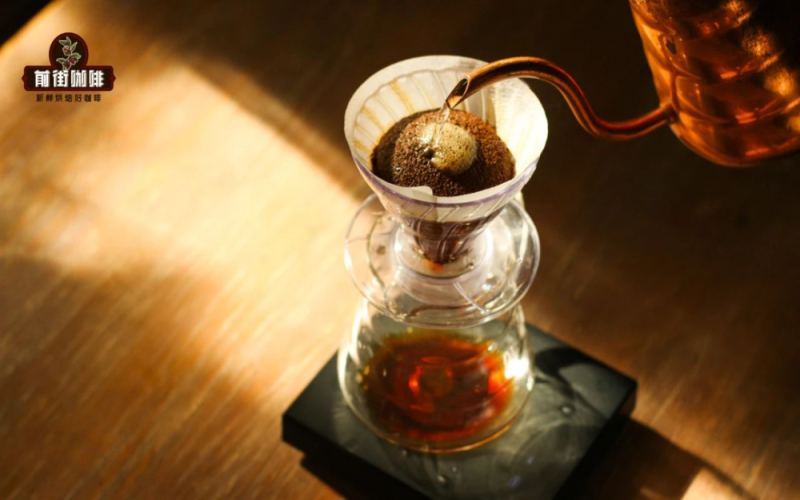
Complete Guide to Hand-Brewing 30g of Coffee: Parameter Adjustments and Practical Tips for the V60 Size 02 Large Dripper
Front Street Coffee's pour-over tutorials have long been based on a single-serving standard of 15g of coffee and a 200ml cup, but many enthusiasts are no longer satisfied with brewing just one cup and have begun trying to make two or three cups at once. Once the dose is doubled to 30g, the small 01 dripper can no longer handle it, and a V60 02 large dripper must be used instead. Increasing the dose is far from simply adding more coffee and water; a thicker coffee bed slows the flow rate, and as the extraction time lengthens, bitterness follows. Using the Sidra coffee beans as an example, Front Street Coffee starts with two variables—grind size and pouring stream—to make fine adjustments, compressing the total time from 2 minutes 53 seconds to 2 minutes 30 seconds so that the 30g brew comes close in flavor to a single-cup brew. This article fully records the parameter differences before and after the adjustment and the reasoning behind them, and also answers the question of whether the 01 dripper can be used to brew a large dose when no 02 dripper is available. [more…]

How to Fix Coffee Grounds That Are Too Coarse? Sharing Honey Queen 8.0 Pour-Over Parameter Adjustments and Practical Tips
When brewing coffee, the grind size directly determines the surface area where water meets the coffee and the speed at which hot water passes through, and even a slight deviation can ruin the entire cup's flavor. If a moment of carelessness leaves the beans ground too coarse, how can you salvage the situation? This article compiles several practical remedies—from re-grinding to flexible adjustments of water temperature and time—and, using Guji Huakui 8.0 as an example, provides complete parameters and steps to still brew a clean, full-bodied cup even after the grind has come out coarse. Whether you use a hand grinder or rely on pre-ground coffee from a vendor, you can find a corresponding adjustment plan to bring each cup as close to ideal as possible. [more…]
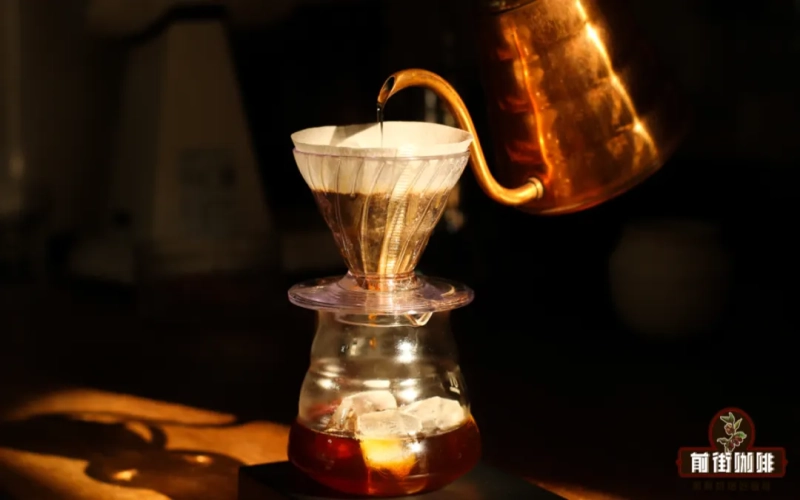
A Practical Guide to Making Iced Pour-Over Coffee at Home: Ice-to-Hot-Water Ratios, Grind Size Adjustments, and Key Stirring Techniques
Iced pour-over is not simply pouring hot coffee over ice; rather, it is an extraction method in which ice rapidly cools and moderately dilutes the coffee liquid, also known as "flash-chilled pour-over." To make a cup that is both refreshingly cold and rich in aromatic layers, you need to readjust parameters such as coffee dose, water volume, ice amount, grind size, water temperature, and timing. This article focuses on ice usage and application, the coffee-to-ice-to-water ratio, grind size adjustments, and two operational approaches—small-stream分段 and the stirring method—to help coffee enthusiasts make a balanced iced pour-over at home. It also provides specific references based on Front Street Coffee's commonly used parameters. [more…]
How can you tell if coffee beans are fresh? Causes of staleness, whether they can still be consumed, brewing adjustments, and ways to use up expired beans
Can you still drink coffee beans that have been sitting for a long time? Why does the flavor deteriorate? This article centers on coffee bean freshness: first, it explains the causes of staleness and reference points for the optimal flavor period, and combines Front Street's verification to give storage recommendations; then it emphasizes safety—generally, roasted beans have a shelf life of about 1 year, and being past that date does not mean they cannot be drunk, but the flavor needs to be compensated for through the brewing plan. The focus is on adjustment ideas for brewing stale beans, including coarser grinding, longer pouring during blooming, and controlled circling, explaining why blooming is still crucial. Finally, it provides three environmentally friendly ways to reuse expired coffee beans: odor removal, cleaning, and plant fertilizer, helping you minimize the loss without wasting anything. [more…]
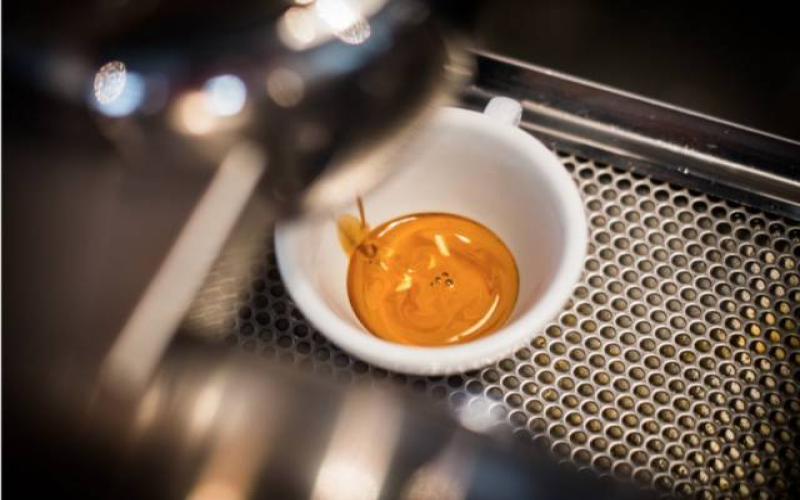
An In-Depth Analysis of the Causes of Espresso Bitterness: A Practical Guide from Historical Evolution to Brewing Adjustments
Espresso, with its rich and concentrated flavor, has become the base for many fancy coffee drinks, yet its intense bitterness keeps many people at a distance. This article begins with the origin and evolution of espresso, analyzes why it is so bitter, and provides a detailed explanation of how crema forms and what factors influence it, along with practical drinking suggestions and adjustment ideas. It also specifically shares the flavor performance and bean-resting recommendations of Front Street Coffee's Sunflower Warm Sun espresso blend, helping coffee enthusiasts gain a more comprehensive understanding of the knowledge behind this "soul of the coffee shop." [more…]
Pour-over coffee lacking aroma and thin in flavor? Analyzing parameter adjustments for light and dark roasts from the perspective of strength and extraction yield
Ever brewed the same coffee beans at home, only to find it never tastes as rich as what you get in a café? The problem usually lies in strength or extraction yield. Insufficient strength often comes from using too much water and diluting the coffee, while under-extraction stems from poorly tuned parameters like water temperature, grind size, and brew time. This article breaks down in detail how to improve the flavor by adjusting the coffee-to-water ratio, water temperature, and grind size, and shares two sets of brewing parameters from Front Street for medium-light and medium-dark roasted coffee beans, helping you easily brew pour-over coffee with full aroma and standout flavor. [more…]
How to Hand-Brew 15g, 20g, and 30g Coffee Grounds? A Guide to Coffee-to-Water Ratios and Filter-Cup Adjustments for Four Servings
The choice of coffee dose for pour-over seems simple, but in reality it involves multiple coordination factors: the dripper model, the number of drinkers, and the pouring rhythm. Front Street Coffee's daily demonstration uses 15g of coffee as the baseline, but in actual brewing, doses that are multiples of 6 such as 12g, 18g, and 24g, doses that are multiples of 5 such as 15g, 20g, and 25g, and even 16g each have their own adherents. Behind different doses lie different reasoning logics—some start from the volume of brewed coffee, some compromise based on the dripper's recommended value, and others aim for easier calculations during pulse pouring. This article will focus on three typical doses—15g, 20g, and 30g—explaining the brewing approaches suited to each, and providing adjustment suggestions for dose, water amount, and dripper selection in a four-person pour-over scenario, helping you achieve consistent results even when sharing with multiple people. [more…]
Where Does Coffee Astringency Come From? How to Solve Sour-Astringency and Bitterness Through Brewing Adjustments
When drinking coffee, a numb tongue and dry mouth—this rough tactile sensation is astringency. Astringency is not a taste but a tactile feedback caused by friction between the coffee liquid and the oral cavity. Its root lies in the excessive release of polyphenolic compounds in coffee beans—especially chlorogenic acid—which bind with salivary proteins and weaken lubrication. Astringency often interweaves with acidity and bitterness, forming sour-astringent or bitter-astringent notes. This article will begin with the causes of astringency, explain its relationship with extraction state, analyze which astringency counts as a quality characteristic, as well as the astringency that green beans themselves may bring, and offer specific ideas for improvement by adjusting extraction efficiency. [more…]

Pour-Over Coffee Strength Adjustment Techniques: How Coffee-to-Water Ratio and Parameter Adjustments Affect Flavor Expression
The most direct way to adjust the strength of pour-over coffee is through the coffee-to-water ratio. If you want a bolder cup, reduce the amount of water poured; if you prefer something lighter and more refreshing, simply increase the water. However, changing the coffee-to-water ratio doesn't just affect concentration—it also shifts the extraction yield. Within the parameters recommended by Front Street Coffee, 1:15 to 1:16 works for most coffee beans: 1:15 gives a solid body and full flavor, while 1:16 is lighter and more layered. If you're brewing a dark roast and want it stronger, jumping straight to 1:13 may lead to under-extraction and a missing finish—this is where grind size and water temperature come in to help. This article will systematically sort through various approaches to adjusting concentration, including coffee-to-water ratio, grind coarseness, water temperature changes, and the By Pass technique, to help you find the balance point across different roast levels. [more…]
What to Do When Coffee Beans Are Past Their Best Flavor Window? Pour-Over Adjustment Tips and Three Waste Reuse Solutions
You bought too many and didn't finish them, or illness got in the way of brewing—and just like that, your coffee beans quietly passed their peak flavor window. Can stale beans still be brewed? What adjustments are needed during brewing? And if they're already past their expiration date, what eco-friendly and practical ways are there to reuse them? Drawing on Front Street's brewing experience, this article first covers hand-brewing strategies for stale beans—including changes to the blooming pour and grind size adjustments—then shares three proven methods for recycling coffee grounds: odor removal, cleaning, and plant fertilizer, so that not a single bean in your hands goes to waste. [more…]
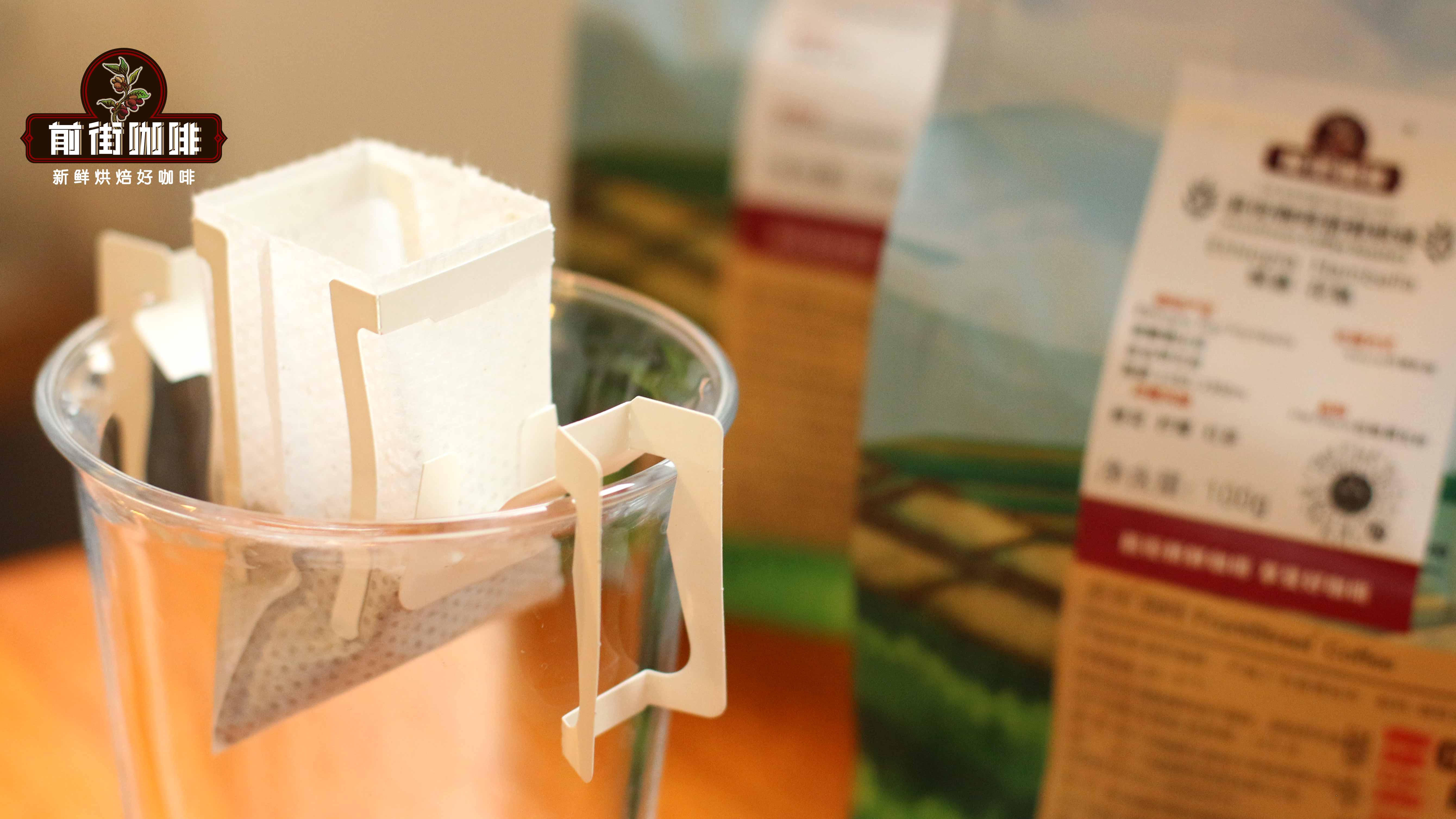
Drip Bag Coffee Brewing Guide: Correct Steps, Flavor Adjustments, and Whether It Can Be Re-Steeped
Drip bag coffee, with its portability and ease of use, has become a popular coffee choice for outdoor, travel, and everyday scenarios. But how do you properly brew a cup of drip bag coffee with excellent flavor? Water temperature, coffee-to-water ratio, and pouring method all matter. This article walks through the five standard brewing steps for drip bag coffee, detailing the blooming time, ideal water temperature, and the Front Street drip bag products that correspond to different flavor profiles. It also provides clear answers to common questions such as whether you can add milk, sugar, or honey to balance bitterness, and whether drip bags can be reused for multiple brews, along with suggestions for reusing coffee grounds, helping coffee lovers gain a more comprehensive understanding of how to enjoy drip bag coffee. [more…]
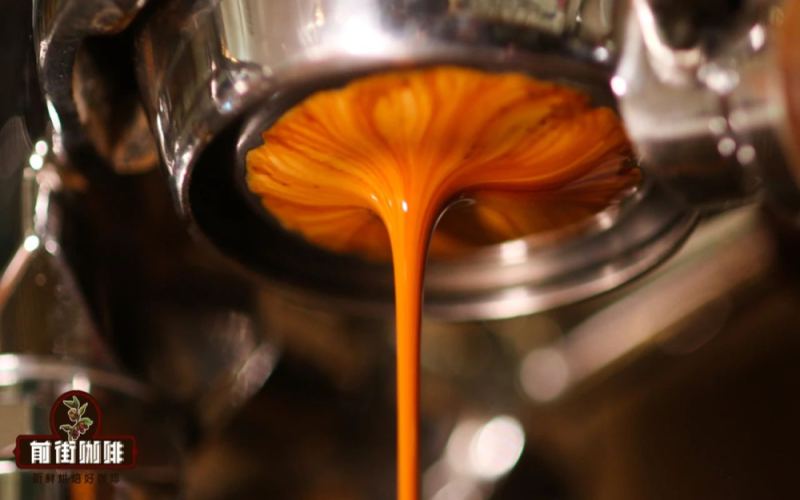
How Does Pour-Over Coffee Differ from Americano? A Comprehensive Comparison of Strength, Sweetness, and Extraction Methods
Pour-over coffee and espresso are the two most mainstream brewing methods today, and most coffee beans on the market are developed around these two uses. The two have completely different extraction principles: pour-over is atmospheric-pressure drip filtration, similar to brewing tea, and produces a crisp, refreshing cup; espresso uses high pressure for rapid extraction, yielding a small, highly concentrated shot. Beyond differences in equipment and parameters, the roast level and blending approach of the coffee beans used also differ. This article will systematically sort out the differences between pour-over and Americano, from extraction principles, operational key points, and parameter adjustments to specific serving methods, and answer which is stronger and which is sweeter, while also sharing Front Street Coffee's practical experience in bean selection and making Americanos. [more…]
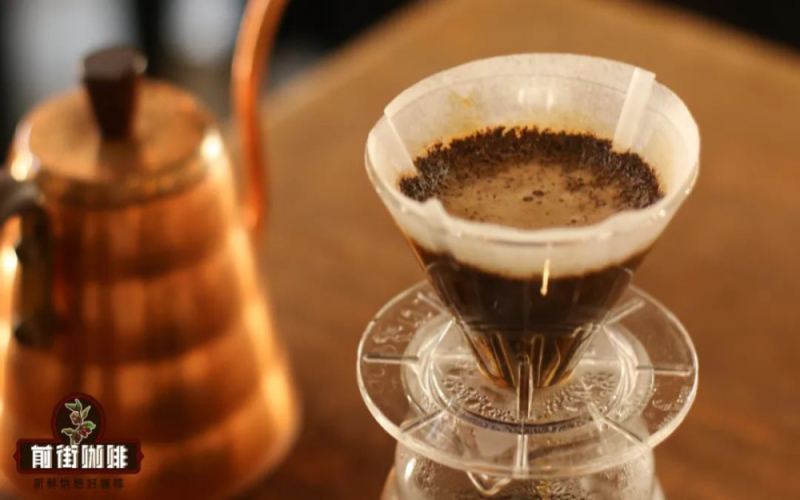
Why Does Pour-Over Coffee Taste Weaker When Temperatures Drop? Water Temperature Adjustments and Four Practical Tips
When the weather turns cold, many coffee enthusiasts notice that even with the same beans and the same technique, the coffee they brew comes out weak and lacking in flavor. This is not a problem with the bean roasting, but rather the low-temperature environment changes the rate at which the hot water loses heat, which in turn affects extraction efficiency. Starting from the principle of heat loss, this article explains in detail how cooling leads to under-extraction, and offers four actionable improvements: preheating the kettle spout, raising the water temperature, increasing the water volume, and lowering the pouring height. Finally, it includes Front Street Coffee's store information to help you consistently produce a delicious pour-over even in the cold season. [more…]
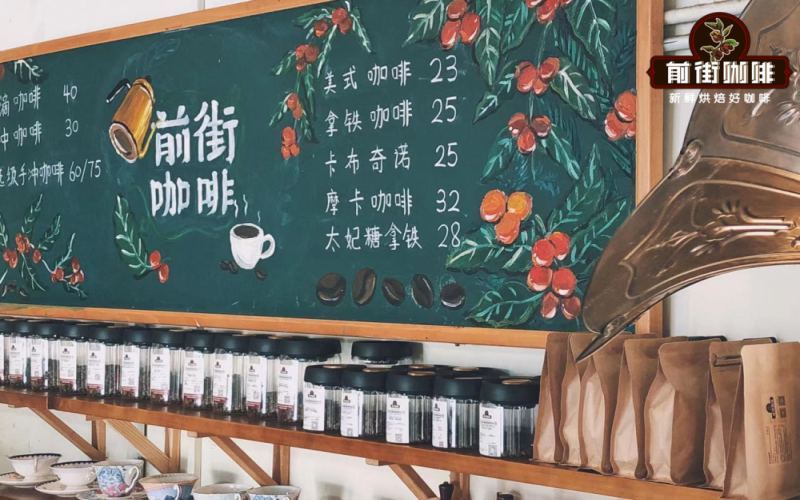
Espresso Classification Explained: Extraction Key Points and Parameter Adjustments for Ristretto, Normale, and Lungo
Espresso is the base for many coffee drinks such as lattes and Americanos, but did you know that it is actually divided into three types: Ristretto, Normale, and Lungo? Starting from the origins and characteristics of espresso, this article explains the key parameters in its preparation process and analyzes the extraction methods and differences of the three types of espresso one by one. At the same time, the article also shares Front Street Coffee's extraction plans for different espresso types, including specific recommendations for dose, yield, and time, helping coffee enthusiasts understand the extraction logic of espresso more systematically. [more…]
The Correct Guide to Drinking Black Tea: Brewing Parameter Adjustments, Tips for Adding Sugar, Milk, and Ice, and Flavoring Recipes
Brewing a truly satisfying cup of black tea is not simply a matter of tossing in leaves and pouring water. From leaf particle size, water quality, and water temperature to steeping time and the tea-to-water ratio, every variable affects the final flavor. This article systematically lays out the core principles of brewing black tea, helping you adjust parameters flexibly when dealing with different types of black tea. At the same time, for common questions such as whether you can add sugar, milk, or ice, we also offer practical suggestions. If you find plain black tea monotonous, at the end of the article we provide a recipe for lemon-mint black tea, especially suited for iced drinks in summer. Whether you are a beginner just getting into black tea or a seasoned drinker looking to refine your brewing technique, this content is worth consulting. Front Street Coffee also emphasizes in its daily recommendations that good tea must be treated with care in order to release its best state. [more…]
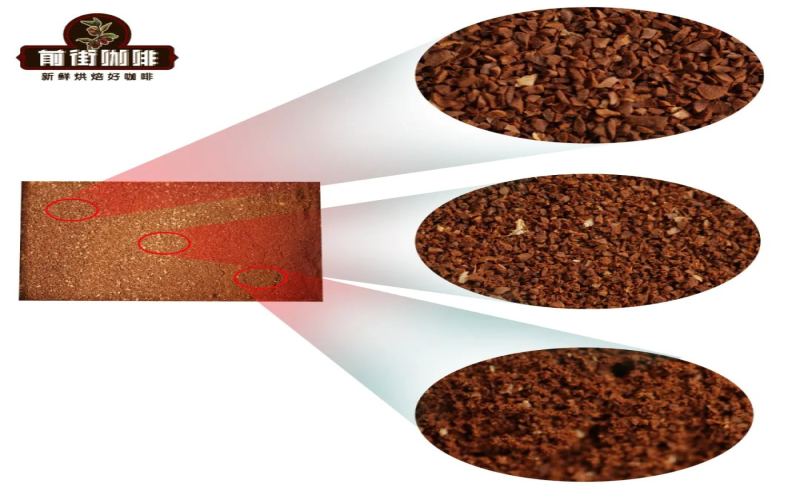
How Fine Should You Grind for Pour-Over Coffee? A Complete Guide from Cupping Standards to Brewing Adjustments
For pour-over coffee enthusiasts, grind size is often the trickiest variable to master. Starting from the industry-recognized cupping standard, this article explains how to precisely calibrate grind size with the help of a No. 20 standard sieve, and analyzes in detail the differences in brewing performance caused by grinding too fine and too coarse. It also presents the practical calibration method recommended by Front Street Coffee, explains the sieve-passing rate ranges that coffee beans of different roast levels should match, and shows how to flexibly adjust the grind by observing the flow rate during brewing, helping you reproduce coffee flavors more consistently in your daily brewing. [more…]
A Complete Analysis of the Reasons Behind the Yearly Version Changes of Huakui Coffee Beans and the Adjustments to the Roasting Curve
The naming convention of Huakui coffee beans is truly unique in the specialty coffee world, as it hits the market with a new version number every year. Behind this lies not only the evolution of producing regions and processing methods, but also the influence of climate and processing details on flavor. This article will trace the complete lineage of Huakui from the Hambela region's natural G1 to the version-suffixed editions, analyze the flavor differences across batches from different years, and share Front Street Coffee's practical recommendations for roasting and brewing. This will help coffee enthusiasts gain a more systematic understanding of this bean's origins and development, as well as how to highlight its signature tropical fruit notes by adjusting the roasting curve. [more…]
How do you use a wire spring portable dripper? What adjustments are needed for pour-over parameters and technique?
There is a dripper made entirely from a single steel wire, minimalist in function—it only holds the filter paper up and barely interferes with the flow of water. It is stretchable and compressible, lightweight and portable after collapsing, and affordably priced, but it tilts to one side when placed on a server. When brewing coffee with it, how does the flavor differ from that of regular drippers like the V60? Front Street conducted a comparative brew using Colombia·Frontera Geisha: 15g of coffee, a 1:15 coffee-to-water ratio, 92°C water, Ek43 setting 10, and a three-pour method. The total time was 2 minutes 50 seconds, the flow rate was noticeably slow, and the taste was bitter with some muddiness and a thin body. The problem is not the dripper itself, but that the parameters and technique need to be re-matched. [more…]

Comparison of Pour-Over Parameter Adjustments and Extraction Results for the V60 #01 Dripper with 10g, 15g, and 25g Coffee Doses
The V60#01 dripper is typically suited for 1 to 2 servings, with 15 to 20 grams of coffee being its optimal working range. But in reality, when drinking alone and not wanting too much, people reduce the dose, and when sharing with friends, they increase it. So, when brewing different doses in the same dripper, do the parameters really need to be changed? Front Street Coffee conducted three sets of comparative experiments using Ethiopian Yirgacheffe natural Red Cherry, with doses of 10 grams, 15 grams, and 25 grams, a fixed water temperature of 90°C, a 1:15 coffee-to-water ratio, medium-fine grind (80% passing through a Chinese standard No. 20 sieve), and circular pouring. The results showed that with a smaller dose, the flavor tends to be thin, while with too large a dose, bitterness may appear and the liquid level may awkwardly approach the rim of the cup. This article will break down the three brewing recipes one by one, their flavor performance, and the adjustment approaches for 10 grams and 25 grams, to help you find a more reasonable extraction method in this small dripper. [more…]
How to determine the coffee-to-water ratio for pour-over? With a fixed water amount and slight adjustments to the coffee dose, how big is the difference in flavor?
Many coffee enthusiasts habitually use safe powder-to-water ratios like 1:15 or 1:16 in their daily pour-over brewing. Front Street also often recommends such parameters to beginners. However, once a fixed brewing pattern of fixed coffee dose with fixed water volume is established, even if the dose differs by only one or two grams, the pouring water volume is often locked in by inertia, causing the actual powder-to-water ratio to quietly shift. The powder-to-water ratio directly relates to extraction yield and concentration, and these two in turn determine the flavor and mouthfeel of the coffee. This article uses a clever cup immersion extraction experiment, brewing 14g, 15g, and 16g of Front Street Yirgacheffe Red Cherry with the same 225ml hot water, measuring concentration and tasting flavor differences, to illustrate the importance of adjusting water volume in sync when fine-tuning the coffee dose, and to remind that when the dose difference exceeds 5g, grinding, brewing technique, and dripper also need to be adjusted in [more…]